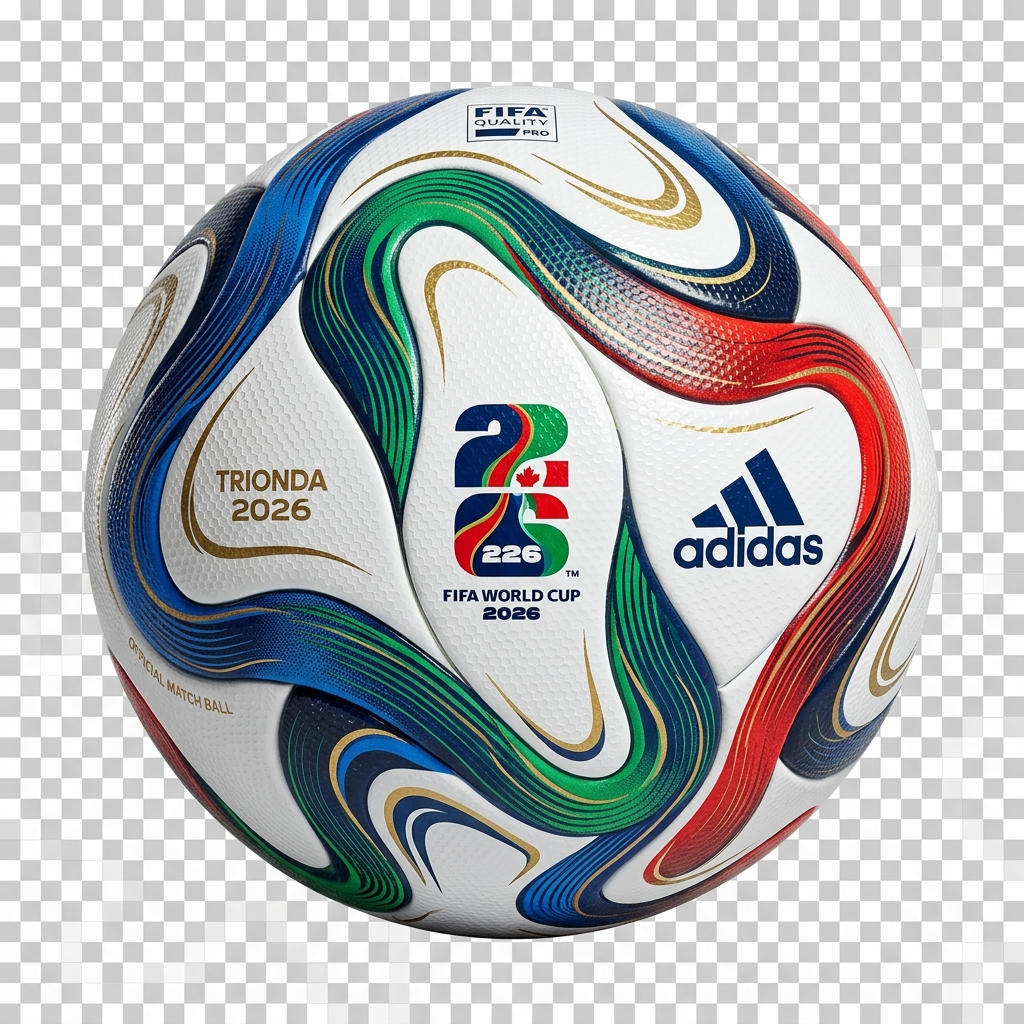
The FIFA World Cup 2026 presents a unique scheduling challenge for European football fans. With the tournament hosted in North America — spanning time zones ranging from ET to PT — European viewers will need to plan their viewing schedules carefully to catch live action. This guide covers all European time zone considerations, key kickoff times, and the best platforms for streaming World Cup 2026 across the continent.
Understanding North American Time Zones
The three host nations — USA, Canada, and Mexico — use multiple time zones. Key reference points for European viewers are: Eastern Time (ET, UTC-5, or UTC-4 in summer with daylight saving), Central Time (CT, UTC-6 or UTC-5), Mountain Time (MT, UTC-7 or UTC-6), and Pacific Time (PT, UTC-8 or UTC-7). In European summer (June-July), most of Europe is on CEST (Central European Summer Time, UTC+2). This means a 13:00 ET kickoff in New York equals 19:00 CEST — perfect prime-time viewing for European fans. A 16:00 ET kickoff equals 22:00 CEST — a late evening match but still accessible. Pacific Time matches at 13:00 PT equal 22:00 CEST, reaching European viewers at the very end of prime time or just beyond it.
Best Case Scheduling for Europeans
FIFA traditionally schedules some matches at 12:00 or 13:00 local time in the host nation to accommodate European audiences, given that Europe represents the largest television audience for the World Cup globally. This practice means that European prime-time audiences (19:00-23:00 CEST) should be well-catered for, particularly for the knockout rounds when FIFA concentrates high-profile matches at preferred broadcast times. The Group Stage, with its multiple daily matches, will feature some very early European mornings (07:00 or 08:00 CEST for very late Pacific Time kickoffs), but major matches will typically be scheduled for accessible European viewing hours.
Streaming Platforms by Country
Rights to broadcast the FIFA World Cup 2026 in Europe are held by a variety of broadcasters depending on territory. In the UK, ITV and BBC traditionally share rights through their joint BBC/ITV World Cup broadcasting agreement. In Germany, ARD and ZDF typically hold free-to-air rights. In France, beIN Sports and TF1 share coverage. In Spain, TVE and RTVE provide public broadcast options. In the Netherlands, NOS typically holds the rights. For pan-European streaming options, FIFA’s own FIFA+ platform provides free streaming for selected matches. Specific rights for 2026 are subject to confirmation as the tournament approaches.
Tips for Late-Night Viewing
For matches that kick off after 23:00 CEST — which will include some Pacific Time Group Stage games — the best approach is to use recording and VOD services provided by your broadcaster. Most major European broadcasters offer comprehensive on-demand match replays, typically available within hours of the final whistle. For spoiler-free next-day viewing, consider social media blackouts and news avoidance until you’ve watched your replay. Our Live Scores page updates in real time, so European fans comfortable following text-based updates for late-night matches can still stay fully informed without watching live.
Check our Full Schedule for all kickoff times, and set up browser notifications on our scores page for goal alerts as they happen.
Tamyl Levistone
Chief Editor at FIFO, covering tactical analysis and World Cup insights. With over a decade of experience analyzing global football tournaments, Tamyl brings unparalleled expertise to FIFO. Passionate about uncovering the hidden tactical nuances that decide the outcome of the biggest matches on the world stage, he ensures every fan stays ahead of the game.