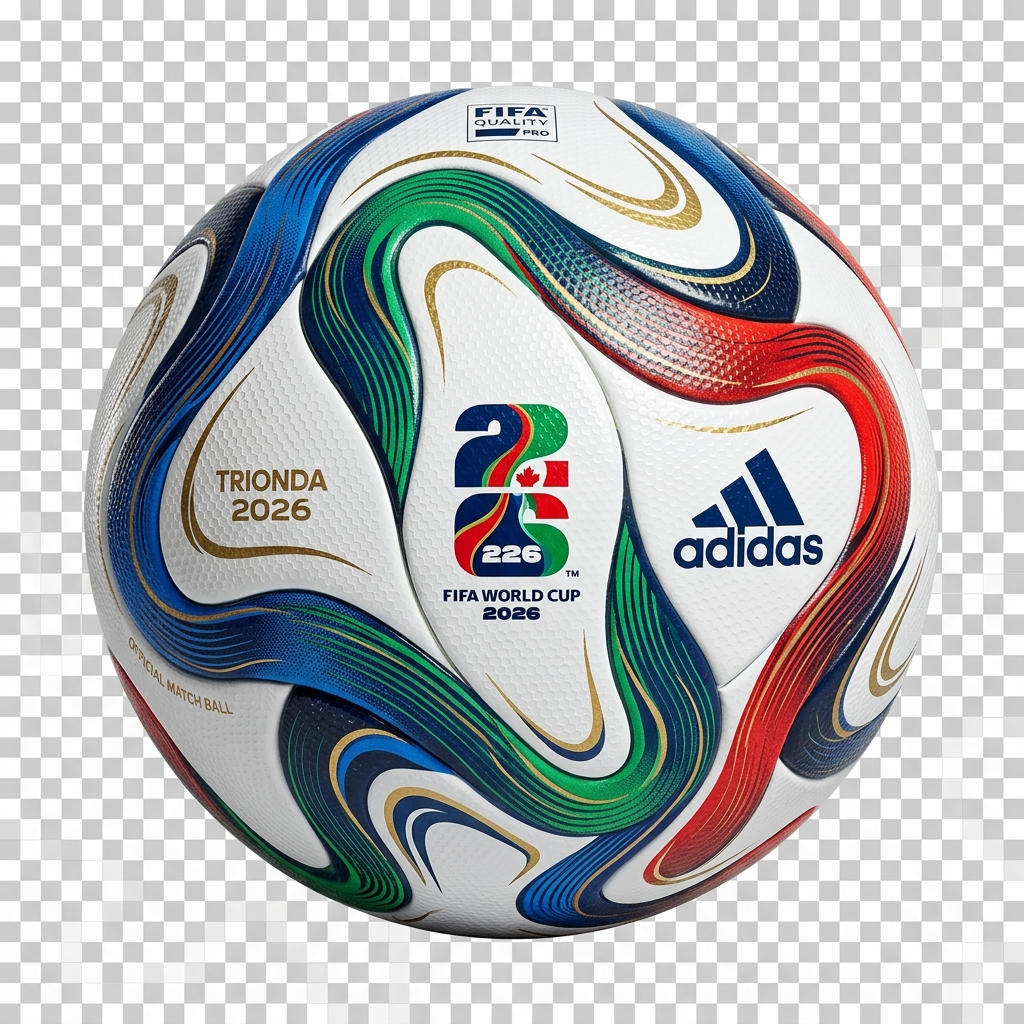

Planning to attend the FIFA World Cup 2026 in person? With three host nations and sixteen venues spread across North America, the travel planning for this tournament is more complex — and more exciting — than any previous World Cup. This comprehensive guide covers climate expectations, travel tips, time zone management, and key city highlights to help you plan the perfect World Cup journey.
Understanding the North American Climate in June-July
The World Cup 2026 runs from June 11 to July 19, placing it squarely in North America’s summer period. Conditions vary dramatically across the host cities. Dallas, Texas and Miami (a potential fan city) will experience extreme heat and humidity, with temperatures regularly exceeding 35°C (95°F). Fans attending AT&T Stadium in Arlington should prepare for the Texas summer — fortunately, the stadium’s retractable roof and full air conditioning provide complete weather protection during matches.
Los Angeles offers a Mediterranean climate with warm, dry summers. Temperatures typically stay between 22-28°C, making it one of the most comfortable venues in terms of outdoor conditions. Vancouver, British Columbia, typically experiences mild summers between 20-25°C with occasional rainfall — the Pacific Northwest’s most pleasant season. Mexico City, at high altitude, maintains cooler temperatures than its latitude would suggest, typically 18-25°C, but atmospheric pressure requires some acclimatisation time for sea-level visitors.
Key Host Cities to Know
New York / New Jersey (MetLife Stadium): The Grand Final venue and arguably the tournament’s most high-profile city. New York offers world-class accommodation, dining, culture and nightlife. Hotel prices will be at a significant premium — book as early as possible. The Fan Fest in Central Park or Liberty State Park is expected to be one of the largest gatherings in American sports history.
Los Angeles (SoFi Stadium): The entertainment capital offers unparalleled experiences beyond football. From Hollywood to Malibu Beach, Venice Beach to Beverly Hills, LA provides endless attractions for travelling fans. SoFi Stadium is in Inglewood, approximately 20 minutes from central LA by car or the newly expanded Metro K Line.
Dallas (AT&T Stadium): Dallas is a modern, diverse and rapidly expanding city. The stadium is in Arlington, between Dallas and Fort Worth. AT&T Stadium is best accessed by car — rideshare services (Uber, Lyft) will be in high demand on matchdays. The Stockyards in Fort Worth and the Deep Ellum entertainment district in Dallas are must-visit destinations.
Mexico City (Estadio Azteca): The Azteca is a pilgrimage site for football historians. Mexico City is a world-class metropolis with extraordinary food, culture, and football passion. The high altitude (2,240m) may cause mild altitude sickness for some visitors in their first 24-48 hours — stay hydrated, avoid alcohol initially, and allow acclimatisation time.
Vancouver (BC Place): One of North America’s most naturally beautiful cities, Vancouver combines urban sophistication with mountain and ocean vistas. The stadium is in the heart of downtown, easily walkable from most accommodation. The city is renowned for its diverse cuisine, clean air, and friendly atmosphere.
Toronto (BMO Field): Canada’s largest city and financial capital offers a cosmopolitan experience with world-class restaurants, festivals, and the iconic CN Tower. BMO Field sits on the Lake Ontario waterfront and is accessible via the city’s TTC streetcar network.
Time Zone Navigation
North America spans six time zones relevant to the tournament. Matches in New York (ET), Dallas (CT), Denver (MT), Los Angeles (PT), Vancouver (PT), and Mexico City (CT) all operate at different local times. European fans following the tournament at home should note that ET kickoffs at 13:00 or 16:00 local time translate to 19:00 or 22:00 Central European Time — generally accessible viewing hours. West Coast (PT) matches will finish later for European audiences.
Ticketing and Accommodation Advice
Tickets for World Cup 2026 are expected to be among the most in-demand in sporting history. FIFA’s official ticket portal (tickets.fifa.com) is the only legitimate source for match tickets. Accommodation across all host cities will be booked months in advance — particularly in New York, Los Angeles, and Mexico City. Consider staying slightly outside the host city and using public transport or rideshares on matchdays, as this typically provides significant cost savings. Travel between multiple host cities is easiest by domestic flights, with major airlines increasing capacity for the tournament period.
Stay updated on all match times, venues, and ticket information through our Full Match Schedule page.
Tamyl Levistone
Chief Editor at FIFO, covering tactical analysis and World Cup insights. With over a decade of experience analyzing global football tournaments, Tamyl brings unparalleled expertise to FIFO. Passionate about uncovering the hidden tactical nuances that decide the outcome of the biggest matches on the world stage, he ensures every fan stays ahead of the game.