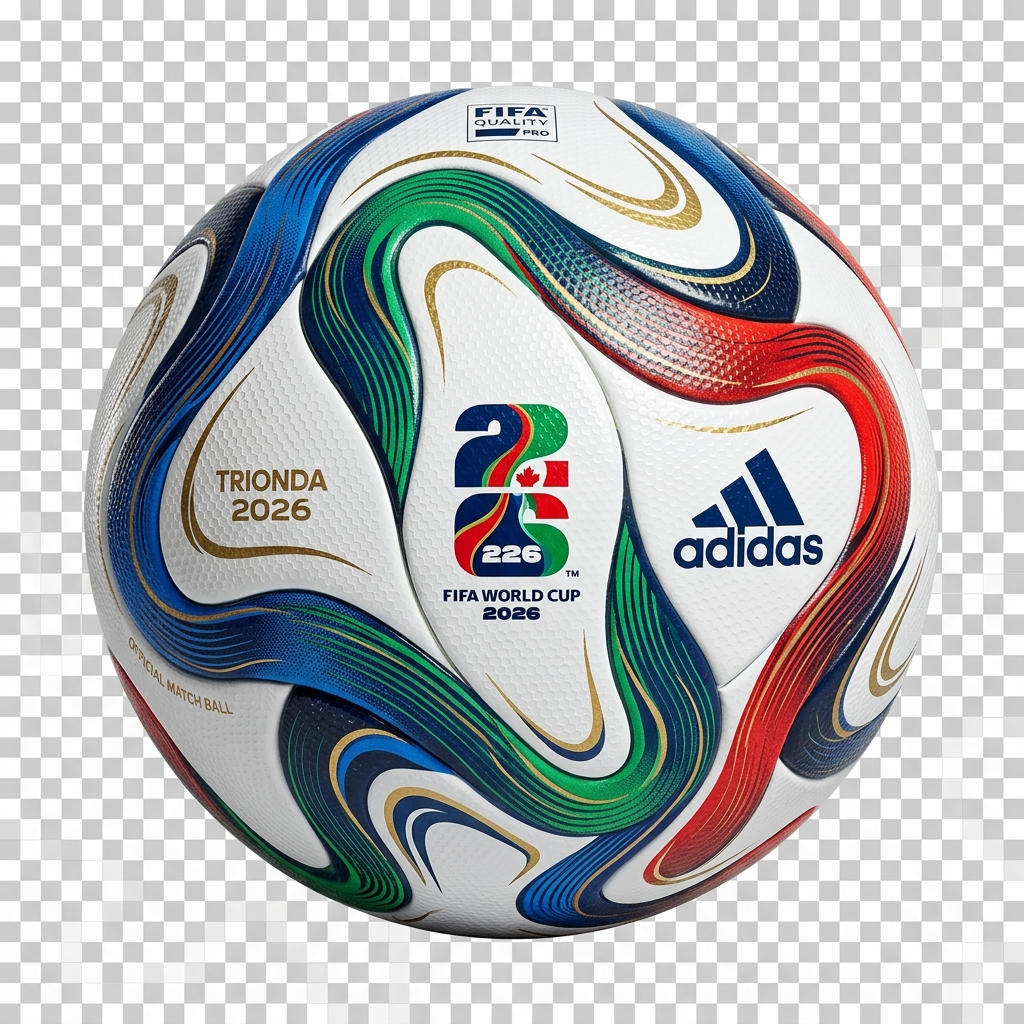
The FIFA World Cup has produced some of football’s most sublime, dramatic, and heartbreaking moments across more than nine decades of competition. As we approach 2026, it’s worth revisiting the matches that define what makes this tournament the greatest sporting event in human history. Each of these games tells a story that transcends football and speaks to universal themes of triumph, perseverance, and the extraordinary capacity of sport to unite humanity.
Italy vs West Germany, 1970 – The Game of the Century
No list of the greatest World Cup matches is complete without the 1970 semi-final between Italy and West Germany at the Estadio Azteca in Mexico City — a stadium that will once again host World Cup 2026 matches. A match that finished 4-3 after extra time, producing multiple late goals and a scoreline that swung dramatically in both directions, this contest was declared “Il Gioco del Secolo” (The Game of the Century) by the press. Italy had led 1-0 deep into normal time. West Germany equalised in injury time through Karl-Heinz Schnellinger in extraordinary circumstances. In extra time, five goals were scored across 30 breathless minutes. Italy ultimately prevailed 4-3, but both teams left the pitch having participated in something genuinely historic. A plaque at the Azteca still commemorates the occasion.
Brazil vs Italy, 1970 Final – Jogo Bonito at its Zenith
The 1970 World Cup Final brought together the two most decorated nations at the time, in a match that served as the apogee of what Brazilian football would come to call “Jogo Bonito” — the beautiful game. Brazil’s team of that year — featuring Pelé, Jairzinho (who scored in every round), Rivelino, Tostão, and Gérson — represents the most gifted attacking ensemble ever to take a World Cup pitch. The 4-1 victory, featuring a sublime team goal finished by Carlos Alberto, stands as the platonic ideal of attacking football executed at the highest possible level. For many historians, this remains the finest team performance in World Cup history.
Argentina vs England, 1986 – The Maradona Masterclass
The 1986 quarter-final between Argentina and England at the Azteca — yes, the same stadium that hosts World Cup 2026 — produced the two most discussed goals in football history within a single match. First came the “Hand of God”: Diego Maradona’s deliberately punched goal, which escaped the referee’s notice and gave Argentina a 1-0 lead. Four minutes later, Maradona picked the ball up in his own half and dribbled past five English players plus the goalkeeper across 55 yards of ground in 11 seconds, scoring one of the greatest individual goals ever witnessed. Argentina won 2-1, with Maradona scoring both goals. The match encapsulates everything both sublime and morally complex about competitive football.
Germany vs Brazil, 2014 Semi-Final – The 7-1
The most shocking scoreline in World Cup history. Brazil, hosting their beloved tournament, were eliminated from their semi-final by Germany 7-1 — the largest margin of defeat ever suffered by a host nation at the World Cup. The match was essentially over by half-time, with Germany leading 5-0 after a 29-minute spell of relentless, devastating efficiency. For Brazil — a nation where football is woven into the national identity with extraordinary depth — the experience was genuinely traumatic. For Germany, it represented the pinnacle of tactical and collective excellence, a team so perfectly organised that it dismantled the hosts’ defence repeatedly and without mercy. The match remains the defining reminder that in football, nothing is certain until the final whistle.
Looking Forward to 2026
The FIFA World Cup 2026 will create its own legendary matches and define its own moments of brilliance. With 48 teams, 104 matches, and an expanded knockout format, the probability of extraordinary encounters has never been higher. Will 2026 produce a match to rival Italy-West Germany 1970? Will a new generation produce an individual moment as transcendent as Maradona’s second goal in 1986? The history of the World Cup suggests it absolutely will. Follow every match in real time on our Live Scores page, and predict the outcomes with our AI Predictions Hub.
Tamyl Levistone
Chief Editor at FIFO, covering tactical analysis and World Cup insights. With over a decade of experience analyzing global football tournaments, Tamyl brings unparalleled expertise to FIFO. Passionate about uncovering the hidden tactical nuances that decide the outcome of the biggest matches on the world stage, he ensures every fan stays ahead of the game.